
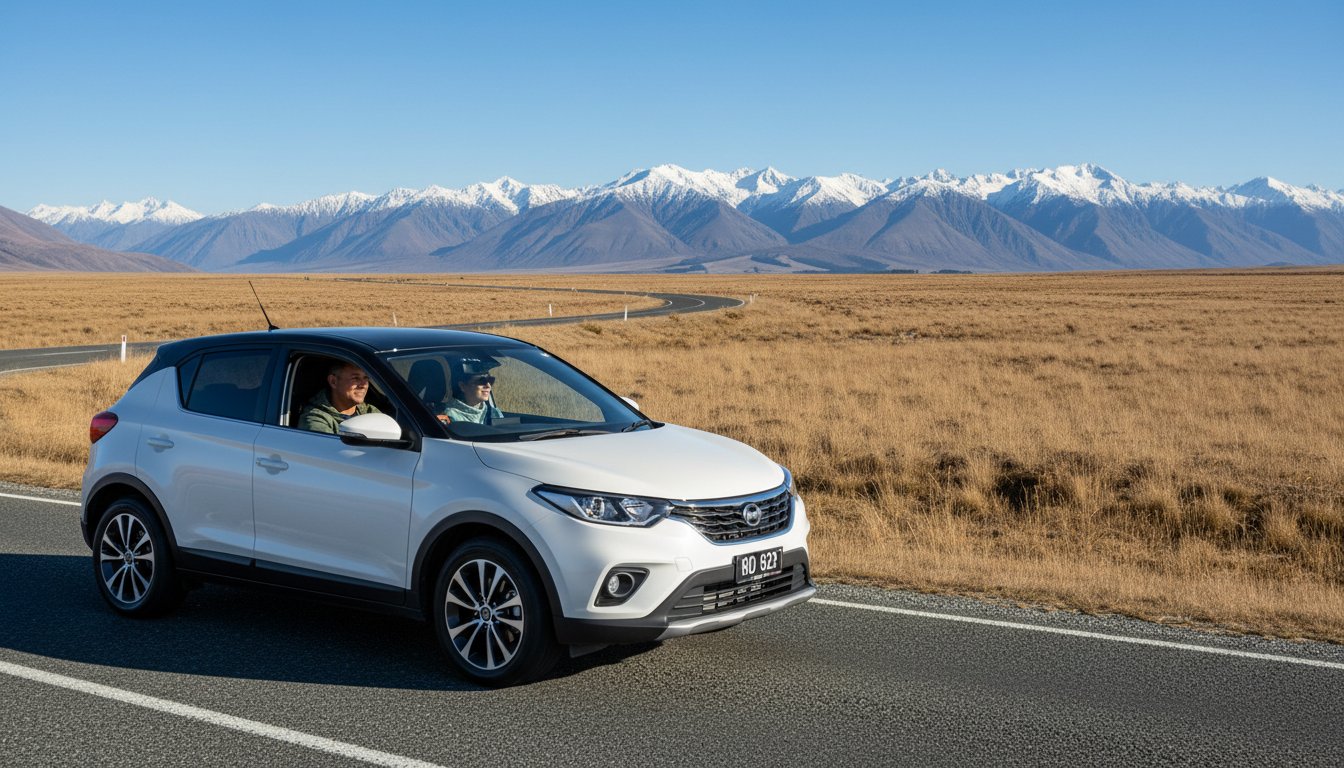
Imagine landing at Auckland International Airport on a crisp morning in 2026, stepping into your modern vehicle, and suddenly realizing the steering wheel is on the right side. For many visitors, the first 15 minutes of driving in New Zealand for tourists are the most nerve-wracking part of the entire holiday. You likely already know that our landscapes are world-class, but you also suspect that our winding, narrow, and sometimes unsealed roads require more than just a standard GPS to navigate safely.
It's natural to feel a bit of trepidation about managing the Southern Alps or the coastal stretches around Christchurch. We've designed this ultimate 2026 safety checklist to turn that anxiety into quiet confidence. You'll learn how to master unique Kiwi road rules, calculate realistic travel times that account for our rugged terrain, and ensure your rental experience is completely seamless. We've broken down every essential safety step, from understanding one-way bridges to navigating the latest 2026 traffic regulations. This guide ensures you spend your trip enjoying the scenery rather than worrying about the rules of the road.
Key Takeaways
- Confirm your license requirements and age eligibility before arrival to ensure a seamless vehicle pickup in Auckland or Christchurch.
- Learn the "One Hour per 80km" rule to master driving in New Zealand for tourists and avoid common GPS timing errors on winding roads.
- Familiarize yourself with critical Kiwi road rules, including staying left at all times and navigating unique intersection priorities.
- Discover how to select the ideal vehicle for your specific itinerary, whether you are navigating Auckland’s motorways or the rugged Southern Alps.
- Gain peace of mind by understanding the benefits of all-inclusive support and 24/7 roadside assistance for a stress-free journey.
The Pre-Arrival Checklist: Licenses and Legal Basics
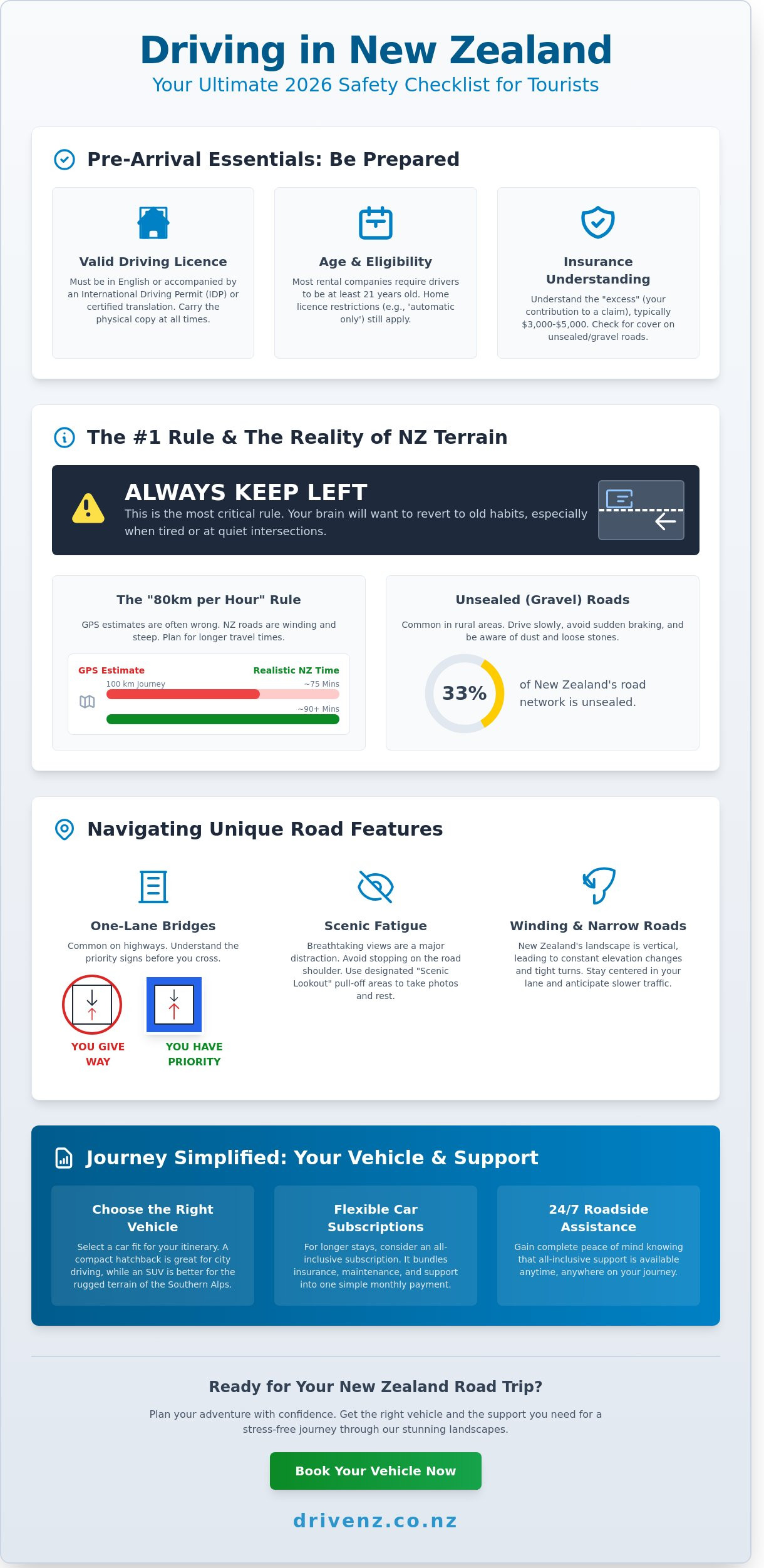
Preparation is the most effective way to reduce stress before you land. If you're planning on driving in New Zealand for tourists, your first task is verifying your documentation. You can legally drive in New Zealand for up to 12 months using your current driver licence, provided it's written entirely in English. If your licence is in another language, you must carry a certified translation or an International Driving Permit (IDP) at all times. Digital copies or photos on your phone won't suffice; NZ Police require the physical document during any roadside check.
Adapting to the "left-side" mandate is often the biggest hurdle for international visitors. Since approximately 66% of the world drives on the right, your brain will naturally attempt to revert to old habits when you're tired or approaching an empty intersection. This creates a significant mental load. Familiarizing yourself with the New Zealand Road Code before you arrive helps settle these instincts. It provides the legal framework for our unique give-way rules and roundabout etiquette, which are strictly enforced to keep everyone safe.
Licensing Requirements for International Visitors
You must be at least 21 years old to rent most vehicles in Auckland and Christchurch, though some providers allow younger drivers with specific conditions. If you're in the younger demographic, review the rules for under 21 car rental in NZ to avoid surprises at the rental desk. Remember that any endorsements or restrictions on your home licence, such as "automatic transmission only," apply here too. Carrying your physical licence is a non-negotiable legal requirement for every journey, no matter how short.
Insurance and Liability Basics
New Zealand insurance operates on an "excess" system. This is the fixed amount you pay toward a claim before the insurance company covers the rest. Standard excesses often range between $3,000 and $5,000. It's wise to check if your policy covers "off-pavement" driving. Since 33% of New Zealand's road network consists of unsealed or gravel surfaces, many standard international policies specifically exclude damage occurring on these roads. Always look for add-ons that protect the windscreen and tyres, as loose metal on rural roads makes stone chips a common occurrence.
For visitors staying longer than a month, the traditional rental model can feel rigid and expensive. A car subscription is a modern alternative that offers a more flexible, all-inclusive experience. It removes the hassle of negotiating complex insurance waivers by bundling maintenance, roadside assistance, and comprehensive cover into one transparent monthly payment. This "what-you-see-is-what-you-get" approach is becoming the preferred choice for 2026 travellers who value simplicity and local reliability while driving in New Zealand for tourists.
Navigating the Terrain: Why NZ Distances are Deceptive
Many visitors underestimate the time required to travel between New Zealand towns. A 100km journey that takes 60 minutes on a European motorway or an American interstate will often take 90 minutes or more here. The "One Hour per 80km" rule is a vital benchmark for anyone driving in New Zealand for tourists. GPS estimates are frequently optimistic because they don't account for the steep gradients of the Southern Alps or the tight, hair-pin turns found in the Waitakere Ranges. These roads demand lower speeds and constant gear changes, which significantly slows your average pace.
One-lane bridges are another unique feature, particularly on South Island highways. These bridges require one direction of traffic to stop and yield to the other. You must understand the priority signs, a large white arrow indicates you have the right of way, while a small red arrow means you must stop. Reviewing the Official NZ Road Code is the best way to familiarize yourself with these specific right-of-way rules before you get behind the wheel.
The Reality of New Zealand Geography
New Zealand's landscape is vertical. A 100km drive often feels like 200km because of constant elevation changes and the mental energy required to stay centered in narrow lanes. Scenic fatigue is a documented safety risk; the breathtaking views can distract you from the road, leading to lane drifting. It's essential to pull over at designated "Scenic Lookouts" rather than stopping on the shoulder. Unsealed roads are common routes surfaced with loose gravel rather than asphalt, presenting a high risk of losing traction if you corner too quickly. Most compact rentals aren't designed for heavy gravel use, so keep your speed below 40km/h on these surfaces to maintain control.
Planning Realistic Daily Itineraries
Safety begins with your schedule. Statistics show that driving in New Zealand for tourists is highest risk during the first 24 hours after arrival. Never collect a car and drive immediately after a long-haul flight into Auckland or Christchurch. Jet lag mimics the effects of fatigue and slows your reaction times. For a safer trip, follow these guidelines:
- Limit your active driving to a maximum of 4 or 5 hours per day.
- Schedule a 15-minute rest break every 2 hours of travel.
- Use the Waka Kotahi (NZTA) journey planner to check for real-time road closures or construction delays.
Planning a trip shouldn't feel like a chore. If you prefer a modern approach to travel, a flexible car subscription allows you to access a reliable, late-model vehicle without the rigid constraints of traditional long-term contracts. This ensures you have a car equipped with the latest safety features to handle New Zealand's unique terrain with total confidence.
The Essential NZ Road Rules Checklist for Tourists
Driving in New Zealand for tourists involves more than just enjoying the scenery; it requires a disciplined approach to local laws. New Zealand roads are unique, often featuring tight corners and changing elevations that demand constant attention. To stay safe, you must prioritize the basics of the New Zealand Road Code from the moment you leave the lot. Police enforcement is strict, and understanding these rules helps you avoid unnecessary fines or accidents.
- Speed Limits: Urban areas are strictly 50km/h unless marked otherwise. On open roads and motorways, the limit is typically 100km/h. Speed cameras are frequent, and even small margins over the limit can result in immediate fines.
- Mobile Devices: New Zealand has a zero-tolerance policy for handheld mobile phones while operating a vehicle. If you need to use GPS or take a call, the device must be securely mounted or used via a hands-free system. A $150 fine and demerit points apply for violations.
- Give Way Rules: At T-junctions and roundabouts, always give way to traffic coming from your right. This is a critical habit to build early in your trip to avoid intersection collisions.
- Road Markings: Solid yellow lines on your side of the center line mean no overtaking. These are placed in areas where visibility is restricted, such as near blind bends or hills, making it dangerous to pass.
Mastering the Left-Hand Side
Staying on the left is the most vital part of driving in New Zealand for tourists. Most mistakes happen in quiet moments, such as exiting a petrol station or pulling out of a scenic lookout onto an empty road. It's easy to revert to your home country's habits when there's no other traffic to guide you. Use the "passenger-to-the-kerb" mental trick. If your passenger is sitting closest to the roadside edge, you're likely in the correct lane. For a deeper dive into these techniques, read our article on Mastering Driving on the Left in NZ to build your confidence before you hit the road.
Safe Overtaking and Slow Vehicle Bays
Patience is your best safety tool on New Zealand's highways. State Highway 1 and other major routes are often single lanes, which can lead to "rushing." This impatience is a leading cause of accidents involving international drivers. Instead of taking risks on narrow stretches, wait for passing lanes which appear every few kilometers. If you notice a queue of cars behind you, look for a "Slow Vehicle Bay." These are short, extra lanes designed for slower drivers to pull over and let others pass safely. It's a key piece of local etiquette that keeps traffic flowing and reduces frustration. For official legal details and licensing requirements, always refer to the NZ Transport Agency's guide for tourists. At Drivenz, we believe a well-informed driver is a relaxed driver. Our modern vehicle solutions are designed to support your safety and provide peace of mind throughout your journey.
Regional Hubs: Driving in Auckland vs. Christchurch
Your experience driving in new zealand for tourists will vary significantly depending on which island you land on first. Auckland and Christchurch represent the two primary entry points, each demanding a different set of skills and preparations for a safe journey. While the North Island is characterized by dense urban motorways, the South Island requires a focus on alpine safety and changing weather conditions.
Auckland Driving Dynamics
Auckland is the largest city in the country, and its road network reflects that scale. The "Spaghetti Junction" near the CBD is a complex interchange where State Highways 1 and 16 meet. It requires your full attention; stay in your lane and trust your GPS navigation to avoid missing your exit. Commuter traffic is heaviest between 7:00 AM and 9:00 AM, and again from 4:30 PM to 6:30 PM. Planning your arrival or departure outside these windows will save you time and reduce the stress of multi-lane navigation.
When navigating Auckland, you might eventually want a break from the wheel. Many travelers take the ferry to Waiheke Island to explore Wai-Not Wine Tour, letting professional drivers handle the winding island roads while they enjoy the local vineyards and scenery.
If you head north, you'll likely encounter the Northern Gateway toll road on SH1. There are no physical toll booths to stop at. Instead, cameras scan your license plate, and you must pay the fee online via the Waka Kotahi website within five days. For more local tips on starting your journey, check out our 2026 Car Rental Auckland Guide to ensure a smooth start to your North Island trip.
Christchurch and South Island Winter Safety
Christchurch offers a flatter, grid-like layout, but the one-way system established after the 2011 earthquakes can be confusing for first-time visitors. While the city itself is relatively easy to drive, it serves as the gateway to the Southern Alps. When driving in new zealand for tourists during the colder months, the South Island presents unique challenges like black ice, especially on the road to Arthur’s Pass (SH73).
If your itinerary includes alpine routes between June and August, snow chains are non-negotiable. Most rental agreements require you to carry them, and police checkpoints often enforce this on mountain passes. We recommend choosing a compact SUV for these journeys. The extra ground clearance and modern stability control systems provide a more reliable experience on steep, winding mountain roads. You can find a complete list of essentials in The Ultimate Winter Driving New Zealand Checklist to stay safe on our roads.
Choosing Your Vehicle: How Drive NZ Simplifies Your Journey
Selecting the right vehicle is the final, crucial step in your safety preparations. Driving in New Zealand for tourists becomes significantly safer and more enjoyable when the car matches the specific demands of your itinerary. Whether you are navigating the urban centers of the North Island or the rugged passes of the Southern Alps, Drive NZ provides a fleet designed for local conditions. Our focus is on removing the friction from your rental experience, allowing you to focus on the landscape rather than the logistics.
The Drive NZ Fleet Advantage
Your choice of vehicle should reflect your destination. For travelers sticking to the North Island, our compact hatchbacks are the most efficient choice. These vehicles offer excellent fuel economy and are much easier to park in busy hubs like Auckland or Wellington. Their nimble handling is perfect for the winding coastal roads of the Coromandel Peninsula. You can explore our full range of options in the Drive NZ Rental Cars Fleet Guide to see which model fits your luggage and passenger needs.
If your 2026 plans include the South Island, particularly during the winter months from June to August, an SUV is highly recommended. These vehicles provide the extra power and stability needed for alpine crossings. Safety is our priority, which is why we offer snow chain rentals for all South Island winter trips. Our team provides a quick demonstration on how to fit them, ensuring you aren't left struggling on the side of a mountain road in the snow.
Every Drive NZ vehicle comes with the assurance of 24/7 roadside assistance. This all-inclusive support covers everything from mechanical issues to minor mishaps like flat tires or lockouts. We maintain our fleet to the highest 2026 safety standards, giving you the confidence to explore remote corners of the country knowing help is only a phone call away.
Hassle-Free Booking and Pickup
We've designed our pickup process at Auckland and Christchurch airports to be as fast as possible. We know that after a long flight, the last thing you want is a mountain of paperwork. Our streamlined system is built for speed and transparency, reflecting our commitment to modern mobility solutions. To ensure a 5-minute checkout at our rental desk, please have the following items ready:
- A current and valid driver's license (with an English translation if required).
- The credit card used for the booking.
- Your digital booking confirmation or QR code.
- Your passport for identity verification.
Our local expertise in New Zealand's two largest gateways means we understand the timing of international arrivals. We've positioned our services to be a seamless extension of your flight. By choosing a local provider, you benefit from staff who can give you real-time advice on local road closures or weather warnings before you even leave the lot. This personal touch combined with our tech-savvy booking platform makes us a dependable partner for your journey.
Don't leave your transport to chance. Experience the flexibility and reliability of a service designed for the modern traveler. Book your New Zealand rental car with Drive NZ today and enjoy the peace of mind that comes with professional, local support.
Start Your 2026 New Zealand Journey with Confidence
Mastering the unique road conditions of Aotearoa ensures your trip remains safe and memorable. Keep in mind that New Zealand distances are deceptive. A 100-kilometer stretch frequently takes much longer than anticipated because of the winding, hilly terrain. Staying informed about current road rules and the specific driving environments in Auckland and Christchurch will keep you steady behind the wheel. When you prioritize preparation, driving in new zealand for tourists becomes an empowering way to see the country at your own pace.
Drivenz has served travelers since 2005. With over 20 years of local expertise, we focus on removing the complexity from vehicle hire. You'll find our convenient pickup locations directly at Auckland and Christchurch airports, so you can get on the road faster. For those heading into the mountains, we provide specialized winter equipment including snow chain hire to ensure you're ready for any weather. Explore our reliable rental fleet for your 2026 NZ adventure and enjoy a seamless travel experience. We're ready to help you explore every corner of these beautiful islands.
Frequently Asked Questions
Can I drive in New Zealand with a US or UK driver licence?
You can drive with a valid US or UK licence for up to 12 months from your arrival date. It's mandatory that your licence is in English or that you carry an official translation at all times. According to Waka Kotahi regulations, you must carry your physical licence while driving in New Zealand for tourists. If your stay exceeds 365 days, you'll need to convert to a local New Zealand licence.
What side of the road do they drive on in New Zealand?
You must drive on the left side of the road in New Zealand. This is a critical rule for visitors from the US or Europe to remember, especially when navigating roundabouts or turning at intersections. Always keep the driver seated toward the center of the road. Most rental vehicles include "Keep Left" stickers on the dashboard to provide a constant visual reminder for driving in New Zealand for tourists.
How long does it take to drive from Auckland to Christchurch?
Driving from Auckland to Christchurch takes approximately 14 to 16 hours of total road time, covering a distance of roughly 1,050 kilometres. This journey includes a 3.5 hour ferry crossing between Wellington and Picton to move between the North and South islands. We recommend splitting this trip over at least 3 days to manage fatigue. Road safety data indicates that tired drivers are a major factor in rural accidents.
Are there many toll roads in New Zealand for tourists?
New Zealand has only 3 toll roads, all of which are located in the North Island. These include the Northern Gateway Toll Road on SH1, the Tauranga Eastern Link Toll Road on SH2, and the Takitimu Drive Toll Road on SH29. Most tolls cost between $2.10 and $2.60 for a standard passenger car. You can pay these online via the Waka Kotahi website within 5 days of travel to avoid late fees.
Do I really need snow chains in the South Island during winter?
You definitely need to carry snow chains when driving in the South Island between June and August. Alpine passes like the Crown Range or the road to Milford Sound often have legal requirements for vehicles to carry chains during winter weather events. Local police checkpoints frequently enforce these rules to ensure safety. Drivenz provides snow chains with winter subscriptions to ensure you're prepared for alpine conditions without any hassle.
What happens if I break down in a remote part of New Zealand?
If you break down in a remote area, use the 24/7 roadside assistance service included with your Drivenz subscription. While mobile coverage from providers like Spark or One NZ covers 98 percent of populated areas, some mountain passes have limited signal. Stay with your vehicle and wait for help to arrive. Our support team coordinates local recovery services to reach you quickly, ensuring you're never left stranded in the wilderness.
Is it difficult to find petrol (gas) stations in rural NZ?
Petrol stations are easy to find in cities, but gaps between stations can exceed 100 kilometres on the West Coast or in the Far North. We suggest refilling your tank whenever it drops to half a tank in rural regions. Over 600 Z Energy and Mobil stations operate across the country, but many small town pumps close after 8:00 PM. Plan your fuel stops using local navigation apps before you depart.
Are there any specific rules for driving a rental car on unsealed roads?
Most rental agreements prohibit driving on specific unsealed roads such as Skippers Canyon or the road to Macetown. While New Zealand has over 30,000 kilometres of unpaved roads, driving on them often voids your insurance coverage. Always check your specific contract terms before leaving the tarmac. Our flexible subscription models provide clear guidance on where you can safely take your vehicle to explore the hidden gems of the country.


