
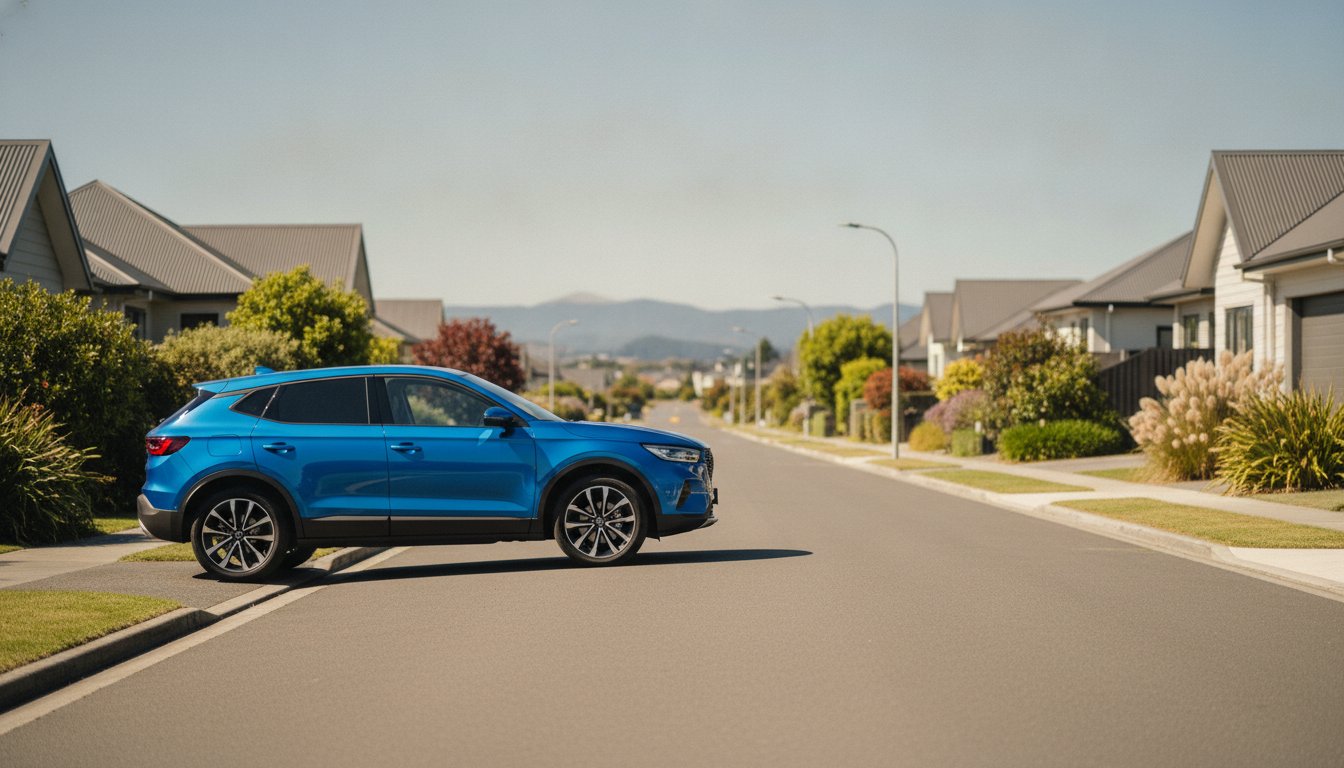
In New Zealand, parking against the flow of traffic isn't just a minor mistake; it's a guaranteed way to end your day with a fine of up to $97. You've likely spent months planning your dream road trip through Auckland or Christchurch. The last thing you want is the stress of a tow truck or a confusing local bylaw ruining your holiday. It's normal to feel a bit of anxiety about narrow roads and strict enforcement when you're in a new country. Understanding what side of the road to park on NZ is the first step toward a truly relaxed journey.
This guide will help you master New Zealand's unique parking laws so you can avoid unnecessary fines and stay safe. We'll explain the "left-side" parking rule, clarify how to handle one-way streets, and provide the latest 2026 fine structures from the Land Transport Rule 2004. By the time you finish reading, you'll feel confident picking up your compact hatchback or SUV and exploring every corner of the country without a second thought about where to leave your car.
Key Takeaways
- Always park in the direction of traffic flow; facing the wrong way on a two-way street results in an immediate infringement notice.
- Understand the specific exceptions for one-way streets where you can legally choose what side of the road to park on NZ urban routes.
- Learn to spot critical road markings like broken yellow lines and clearway signs to avoid expensive towing fees and high fines.
- Gain practical insights for parking in major hubs like Auckland and Christchurch, where time limits and zone rules vary by council.
- See how selecting a compact hatchback or intermediate sedan simplifies finding and securing spots in tight city spaces.
The Golden Rule: Which Side of the Road Can You Park On?
One of the biggest surprises for international drivers is the strictness regarding what side of the road to park on NZ authorities enforce. The rule is simple yet absolute: you must park your car in the direction of traffic flow, which means parking on the left-hand side of the road. This "facing the flow" standard ensures that when you decide to leave your spot, you have a clear view of the road ahead without having to look through your own vehicle or cross oncoming traffic. As part of the wider transportation system in New Zealand, these regulations prioritize visibility and safety for everyone on the road.
In 2026, New Zealand road standards continue to mandate that every parked vehicle on a two-way street must have its left side closest to the kerb. This creates a uniform line of cars that doesn't disrupt the sightlines of moving traffic. If you cross the center line to park on the opposite side of the street, you are technically driving on the wrong side of the road to reach that spot. This maneuver is illegal and serves as a primary cause of avoidable accidents in urban neighborhoods.
The "Facing the Flow" Requirement
If you are driving on a standard two-way street, you cannot cross over to the other side to grab an open parallel spot. Your vehicle must align nose-to-tail with the cars already parked on the left. This requirement exists because pulling out from the right side of the road into oncoming traffic is incredibly dangerous. You simply won't have the necessary visibility to see cars approaching from behind you. Parking wardens in cities like Auckland and Christchurch don't need to check your dashboard for a ticket to spot this violation. They simply look for a car with its headlights facing the wrong way, which is an immediate red flag for an infringement notice.
Potential Penalties for Incorrect Parking
Getting caught on the wrong side of the road isn't just an inconvenience; it's a financial setback. Under the Land Transport (Road User) Rule 2004, parking against the flow of traffic is a clear violation. While specific fines can vary based on local council bylaws, overstaying or parking incorrectly in Auckland can result in fines ranging from $20 to $97 for significant overstays. In high-pressure areas like the Auckland CBD, you also face the very real risk of being towed. Parking in a designated clearway during restricted hours carries a $150 fine plus additional towing costs. For those driving a rental, these fines are typically sent to the rental company, who will then charge your credit card and often add an administrative processing fee. It's much cheaper and easier to simply find a legal spot on the left.
Exceptions to the Rule: When Can You Park on the Right?
While the "left-side only" rule is the backbone of local traffic law, there are specific environments where the regulations shift to accommodate urban flow. Knowing exactly what side of the road to park on NZ streets changes when you enter a one-way zone. In these areas, you are legally permitted to park on either the left or the right side of the road. This flexibility helps maximize space in dense city centers like Wellington or Dunedin, where narrow streets require creative solutions. It's a sensible adjustment that keeps traffic moving without forcing drivers to circle the block looking for a left-hand opening.
Identifying these zones is straightforward if you know what to look for. Always check for the blue rectangular "One Way" signs with a white arrow at the entrance of the street. If you miss the sign, look at the orientation of the other parked vehicles. On a one-way street, all cars on both sides will be facing the same direction. According to The official New Zealand Road Code, even when parking on the right, your vehicle must still face the direction of travel. Never park against the flow, even on a one-way street, as this creates a hazard for drivers trying to navigate past you.
Navigating One-Way Streets
Choosing the right side on a one-way street often depends on your next turn. If you're driving a compact hatchback, you'll find it much easier to slip into these tighter right-hand spots. When you're ready to leave, remember that your blind spots will be different than usual. Use your mirrors and perform a physical shoulder check to ensure no cyclists or vehicles are approaching from your left or right before pulling out. This simple habit prevents the most common collisions associated with right-side parking.
Angle Parking and Dedicated Bays
In many regional towns and some suburban shopping strips, you'll encounter angle parking. This is designed to fit more cars into a smaller area. Most of the time, you will drive forward into these bays. However, some modern urban designs now require "reverse-in" angle parking. This can feel counterintuitive at first, but it provides much better visibility when you eventually exit back into traffic. Always look for signage indicating the specific parking method and check for time limits like P30 (30 minutes) or P60 (60 minutes). In residential cul-de-sacs, the rules return to the standard left-side requirement. You should avoid parking at an angle in the "bulb" of a dead-end street unless there are marked bays, as this often blocks access for emergency vehicles or rubbish trucks.
Where Not to Park: Common NZ Road Markings to Watch For
Even if you've mastered what side of the road to park on NZ streets, you can still face heavy fines if you ignore the paint on the kerb. New Zealand uses a highly visual system to communicate parking restrictions. Understanding these markings is essential for a stress-free trip. Most parking infringements occur because drivers miss these cues rather than intentionally breaking the law. By learning the local visual shorthand, you can avoid the frustration of returning to a ticket on your windscreen.
Broken Yellow Lines and Kerb Markings
Broken yellow lines are the ultimate "no-go" signal. If you see these dashed lines along the edge of the road, you cannot stop or park there at any time. It doesn't matter if you're just dropping someone off or staying in the car with the engine running. While white lines usually indicate a standard parking boundary, yellow paint always means "keep clear." According to Auckland Transport's 2026 data, overstaying or parking in prohibited areas leads to fines starting at $20 and scaling up quickly. Don't risk an infringement just to save two minutes at a local dairy or cafe.
Distance Requirements for Safe Parking
Beyond the lines, there are mathematical rules you need to follow. You must leave at least 1 metre of space between your vehicle and any driveway or vehicle entrance. This ensures residents can safely enter and exit their properties without clipping your bumper. For intersections and pedestrian crossings, the gap must be significantly larger. Specifically, the Land Transport (Road User) Rule 2004 states you must not park within 6 metres of an intersection to maintain clear sightlines for other drivers. Following these distance rules prevents "blind" corners and keeps the what side of the road to park on NZ logic functioning safely for everyone.
Auckland and other major cities use clearways to manage peak-hour traffic. These are often standard parking spots during the middle of the day but become "no-parking" zones during morning or afternoon commutes. If you park in a clearway during restricted hours, your car will likely be towed. Expect a $150 fine on top of the storage and towing fees. Always check the signs for specific times before you lock the doors. Similarly, bus stops and taxi stands are strictly off-limits. These areas are clearly marked with yellow boxes or large lettering on the road surface. If you're driving a compact SUV or sedan, ensure no part of your vehicle overhangs these marked zones, as wardens are very strict about maintaining access for public transport.

Practical Parking Tips for Auckland and Christchurch
Auckland's CBD is a dense maze of one-way streets and high-traffic corridors. While you already know what side of the road to park on NZ highways, city parking requires a much sharper eye for local signage. In Auckland, parking wardens are extremely efficient and active. If you're heading to the inner suburbs, be wary of "Resident Only" zones. Ponsonby and Parnell are famous for these restrictions. Parking in a residential-only spot without a permit is a quick way to receive a fine ranging from $20 to $97. To keep your costs down and avoid the stress of tight city spots, consider using "Park and Ride" facilities at major transport hubs. For more detailed city driving advice, check out our 2026 Car Rental Auckland: The Local’s Guide to Stress-Free Hire.
Auckland Parking: CBD and Inner Suburbs
In the heart of the city, parking buildings are often your safest bet, though they come with higher hourly rates. If you prefer street parking, always use the AT Park app. It allows you to pay for the exact minutes you stay, which prevents the anxiety of a ticking clock. This digital approach is a modern way to manage your trip without hunting for a physical pay machine. It's also helpful to remember that many CBD streets become clearways during rush hour. A spot that was legal at 2:00 pm could result in a $150 fine and a tow by 4:00 pm.
Christchurch Parking: Wide Roads and Garden City Rules
Christchurch offers a noticeably different experience. The roads are generally wider and laid out in a grid, which feels much more approachable for visitors. However, the city still utilizes temporary parking zones related to its long-term rebuild projects. Always check for orange cones or temporary signage that might override standard rules. If you're exploring the Port Hills or hilly suburbs like Sumner, the roads narrow significantly. In these areas, the rule about what side of the road to park on NZ becomes even more critical for safety. Parking strictly on the left ensures you don't block visibility on blind bends for other drivers. For South Island travelers, our Car Hire Christchurch: The Ultimate 2026 Guide to South Island Road Trips provides excellent regional context.
When you're picking up your vehicle near Auckland Airport or Christchurch Airport, it's worth asking the local staff about the best nearby spots for short stops. Most airport-adjacent roads are strictly "No Stopping" zones to keep traffic flowing for travelers. Choosing an intermediate sedan or a compact hatchback from Drive NZ Rental Cars makes these city maneuvers much simpler. These vehicles fit easily into standard NZ parking bays, giving you more flexibility when spaces are limited.
Safe Parking with Your Drive NZ Rental Cars
Choosing a vehicle that matches your environment is the smartest way to ensure a stress-free trip. While you now know exactly what side of the road to park on NZ streets, the physical size of your car determines how easily you can fit into those legal spots. A smaller car gives you more margin for error on narrow suburban roads and makes parallel parking in the city much less intimidating. Beyond just finding a spot, you need to ensure your vehicle remains secure and doesn't become a hazard in rural or alpine environments.
Selecting a Fleet Member for Easy Parking
Our Compact Hatchbacks are the top choice for travelers spending most of their time in Auckland or Wellington. Their short wheelbase makes them incredibly easy to maneuver into tight kerbside spaces. If you prefer more room, our Intermediate Sedans come equipped with sensors and cameras to help you navigate the "nose-to-tail" alignment required by local law. For those heading to the South Island, a Compact SUV provides the ground clearance needed for gravel pull-offs, though you must still follow the left-side parking rule even on remote roads.
In rural areas, be extremely careful about where you pull over. New Zealand's "soft verges" can look like solid grass but often turn into thick mud that can trap a car. Always look for a firm, gravel-based shoulder. Additionally, never park in front of farm gates. These are active access points for heavy machinery and livestock. Even if the area looks deserted, a farmer may need to use that gate at any time of the day or night. To keep your rental secure, always take your valuables with you. If you must leave items in the car, hide them in the boot before you arrive at your destination to avoid attracting unwanted attention.
Parking in Winter and Alpine Conditions
If your journey takes you into the mountains during winter, parking safely requires extra steps. On icy or snowy inclines, always turn your wheels toward the kerb and ensure the handbrake is fully engaged. Leave your vehicle in "Park" or in a low gear to provide an extra layer of security against sliding. If you are carrying Snow Chains, remember to leave enough space around your tires when you park. This ensures you have the room to fit them if the weather turns while you are away from the vehicle. If you happen to receive a parking ticket in your Drive NZ Rental Cars vehicle, we recommend paying it immediately through the local council website. This avoids the additional administration fees that rental companies must charge when processing unpaid infringements later.
Enjoy Your New Zealand Road Trip with Confidence
You're now equipped with the essential knowledge to navigate New Zealand’s streets like a local. By remembering the "left-side" golden rule and staying alert for broken yellow lines, you'll avoid the frustration of unexpected fines. Whether you're exploring the busy corners of Auckland or the wide avenues of Christchurch, knowing what side of the road to park on NZ routes ensures your focus remains on the stunning scenery rather than parking wardens. These simple habits keep everyone safe and your holiday budget intact.
At Drive NZ Rental Cars, we've been local experts since 2005. We understand that a stress-free trip starts with the right vehicle and clear information. Our modern fleet features easy-to-park compact cars and SUVs designed for local conditions. We pride ourselves on transparent rental agreements with no hidden fees; you can plan your journey with total peace of mind. Book your stress-free NZ rental car today and get ready to discover everything our beautiful country has to offer. Safe travels on the road ahead!
Frequently Asked Questions
Can I park on the right-hand side of a two-way street in NZ?
No, you must always park on the left-hand side of the road in the direction of traffic flow. Parking against the flow is a common mistake for international visitors and results in an immediate fine because it creates a major visibility hazard. When you park on the wrong side, you're forced to pull out into oncoming traffic without a clear view of the road behind you.
What do broken yellow lines mean in New Zealand?
Broken yellow lines mean you aren't allowed to stop or park your vehicle at any time. This rule applies even if you stay in the car or only stop for a few seconds to drop someone off. These markings are typically placed near intersections, bus stops, or narrow sections of road where parked cars would cause a safety risk or block traffic flow.
How close can I park to a driveway in NZ?
You must leave at least 1 metre of space between your vehicle and the edge of any driveway or vehicle entrance. This national rule ensures that residents, businesses, and emergency services can enter and exit properties without obstruction. If you block a driveway or park too close, local wardens may issue a fine or even have your vehicle towed to clear the access point.
Is it legal to park on the grass verge in New Zealand?
In most urban areas, parking on the grass verge or "nature strip" is illegal and will result in a fine. This is especially true in Auckland, where local bylaws prohibit parking on any part of the roadside that isn't a sealed, designated parking space. In rural areas, you should still avoid verges to prevent getting stuck in soft mud or damaging the environment.
What should I do if I get a parking fine in a rental car?
The best approach is to pay the fine immediately through the local council's website listed on the infringement notice. If you leave it unpaid, the council will contact the rental company to identify the driver. The rental provider will then charge the fine to your credit card and usually add an additional administration fee to cover the cost of processing the paperwork.
Can I park on a one-way street on both sides?
Yes, you can legally park on both the left and right sides of a one-way street. However, you must ensure that your vehicle is facing the direction of traffic flow on both sides. This is the only exception regarding what side of the road to park on NZ drivers must follow, as it doesn't require you to cross the path of oncoming traffic.
Are parking rules different in Auckland compared to the rest of NZ?
While the core rules are national, Auckland has specific fine structures and very active enforcement. For example, overstaying in a paid spot in Auckland can cost up to $97. While the basics of what side of the road to park on NZ authorities require are the same everywhere, Auckland’s clearways and transit lanes have much stricter time-based bans that you must follow to avoid being towed.
Do I need to pay for parking on weekends in NZ cities?
Parking fees on weekends vary by city and specific zone. In many Auckland and Christchurch CBD areas, you must still pay for parking on Saturdays, while Sundays are occasionally free in specific council-managed spots. Always check the nearest parking meter or use a mobile app like AT Park to confirm the rules for that specific day and time before leaving your car.


